

Tag Archive for: #adelaidemidwife

Natural Childbirth in Adelaide’s Private Hospitals

Natural Childbirth in Adelaide’s Private Hospitals

Choosing where and how to give birth is one of the most important decisions expectant parents make. In recent years, there has been a decline in natural childbirth in Adelaide’s private hospitals due to higher intervention rates .This trend doesn’t have to continue.With greater knowledge parents can advocate and negotiate their wishes

In this blog, we explore why natural birth is beneficial for mothers and babies and how you can prepare for the birth experience you truly want in a private hospital setting..


What Is Natural Childbirth?

Natural childbirth typically refers to labour and birth with minimal medical intervention, allowing the body to progress as naturally as possible. Many parents choose this option because they value an active role in labour, holistic comfort measures and a more instinctive birthing experience.

Adelaide’s private hospitals cater to a range of birthing preferences, making it possible to pursue a natural approach with expert care available when needed.


Why Choose (Natural)Childbirth in Adelaide’s Private Hospitals?
1. Personalised and Consistent Care

Private maternity hospitals offer personalised attention, continuity of care and the ability to work closely with your chosen obstetrician . This consistency helps parents feel well supported throughout pregnancy, labour and birth.

2. Calm and Comfortable Birthing Environments

Many families select Adelaide’s private hospitals for their modern maternity suites, spacious birthing rooms, and soothing environments designed to support natural labour techniques such as movement, water therapy, breathing and relaxation.

3. Flexibility to Follow Your Birth Plan

Natural childbirth is most successful when your care team supports your goals. Private hospitals in Adelaide often provide flexibility and respect for your birth plan, encouraging active birth positions, low-lighting, minimal monitoring when safe, and alternative pain-relief options.

4. Access to Medical Support if Needed

One of the biggest advantages of choosing a private hospital is the balance of natural birth support with immediate medical care if required. This gives parents peace of mind while still pursuing a low-intervention birth experience.


Preparing for a Natural Birth in a Private Hospital
✓ Attend private antenatal or childbirth education classes

Knowledge builds confidence. Many  local childbirth educators offer classes that focus on natural birth preparation.While some hospital classes may focus on interventions, private practitoners value more empowering language

✓ Create a clear and informed birth plan/preferences 

Outline your preferences regarding positions, pain management, monitoring and postpartum care. Share it with your obstetrician or midwife early.If your provider doesnt support your wishes early in pregnancy, this may cause you to question if they are the right person for you.

✓ Choose a care team aligned with your goals

Working with an obstetrician or midwife who values natural birth greatly improves your chances of achieving it.Make sure you feel comfortable with your choice.If NOT -change before you pay for pregnancy management fee.

✓ Practise comfort techniques

Breathing, movement, massage, warm water, and mindfulness can all support a smooth natural labour.


Is Natural Childbirth Right for You?

Every birth is unique, and the right environment matters. If you’re hoping for a calm and empowered experience, natural childbirth classes in Adelaide offers an ideal balance of choice, comfort, privacy and professional support.

Exploring your options early in pregnancy can help you find the care provider and hospital that best align with your vision for birth.

To chat to Kate please CONTACT ME 

or

If youre ready to book a class which ticks all the boxes and recommended by many private OBs in Adelaide

BOOK NOW

Who is kate bergamasco ?

Who is Kate Bergamasco ?

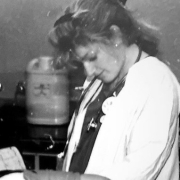
Let’s throwback to student midwife Kate Bergamasco –

This was me when I began my midwifery career. Although when I was 17 and fresh out of school.I knew from the time I was 16 when I witnessed a birth on work experience that I wanted to be a midiwfe
So this photo is me living my dream 

I was 22 years old and this was me during my midwifery training at Modbury hospital.My midwifery training days were focused on learning about how birth happened.We were taught to listen to mothers, build a rapport with families and become proficient at monitoring mums and babies through pregnancy , birth and the postnatal period..

By the end of the 12 month course we were all too aware that while we had passed our exams and delivered many babies, we still needed to gain a lot more experience .There was so much more to learn and I acknowledge now, 33 years on , I will never know everything.

I was very conscious even as a 22 year old graduate that my knowledge about helping mums breastfeed was limited.

WILL  I be able to breastfeed if my mother couldn’t ?

In 1990 so many practises we adopted with breastfeeding caused so much pain for mothers.We used to bath babies within the first hour of birth, we cut the umbilical cord as soon as the baby was out, we wrapped baby and THEN handed b aby to mum for her first breastfeed.We didnt know then the value of skin on skin or the golden hour.

I can remember mums with bleeding painful nipples trying to tolerate breastfeeds.and then sitting with red lamps faced toward their nipples to dry them out with the belief it would +toughen + them up.

No wonder so many mothers stopped breastfeeding before they even left hospital..

This experience is what lead e to study to be a  lactation consultant  , I wanted to ensure i could have a positive impact on mothers feeding journey.

Fortunately over the past 30 years our knowledge and practises have improved greatly and Im always quick to reasure mums whose own mothers couldnt breastfeed (in the 1990s) that our techniques have improved .

How have things changed ?

  • Skin on skin 
  • The golden hour
  • Rooming baby in with mum 
  • Not bathing baby in the first 3 days of birth
  • Giving mums and partners antenatal education on breastfeeding 

If youd like o be supported by Kate BOOK a chat